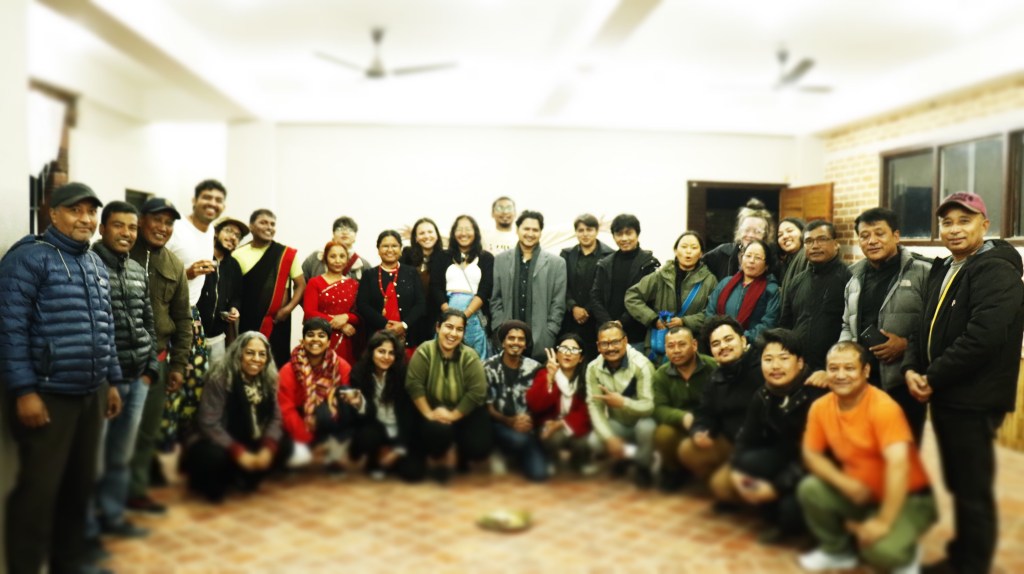
We started dreaming.
PARTICIPANTS
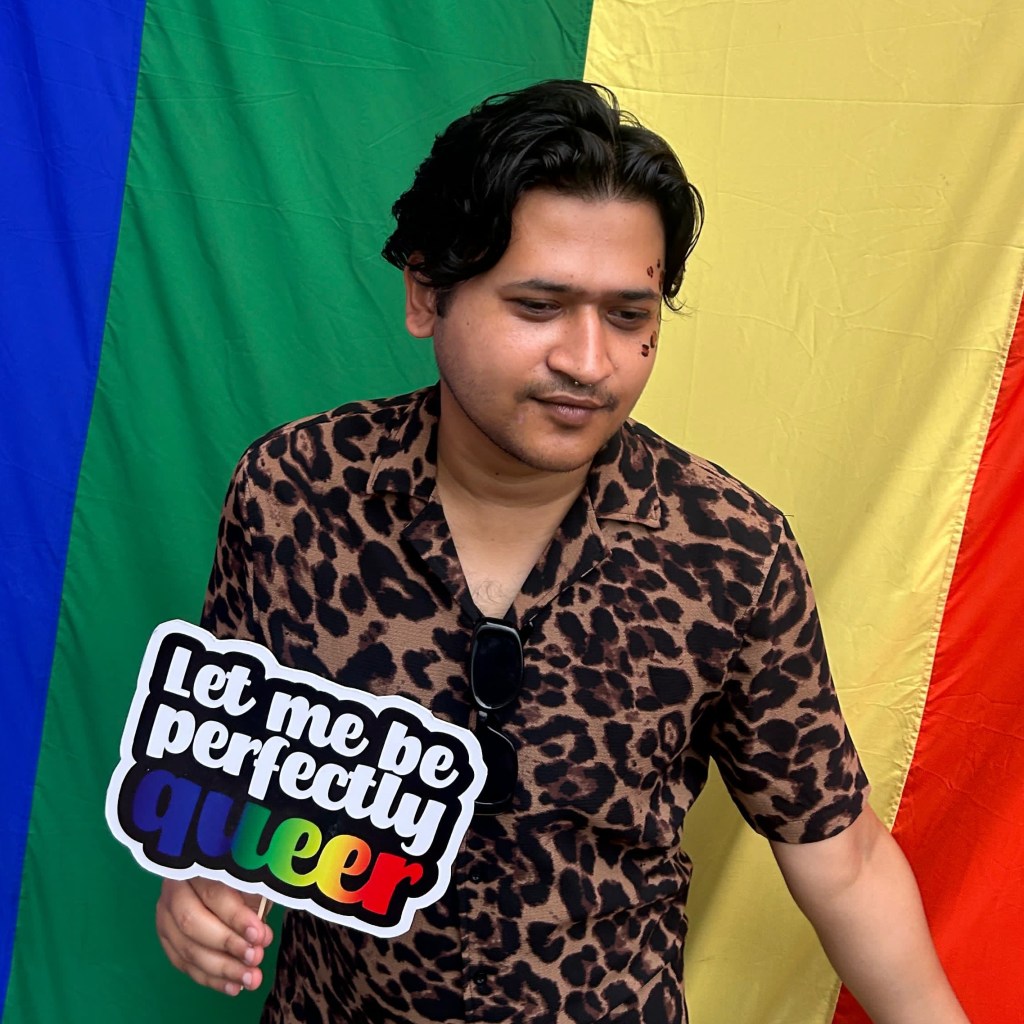
Birat Bijay Ojha (he/they)
Birat Bijay Ojha (he/they) is a writer, artist, and independent journalist from Itahari, Nepal, currently based in Kathmandu. Passionate about critiquing dominant narratives through queer, feminist, and decolonial lenses, they are also the founder of Unicorn Chautari, an initiative for queer arts, culture, and community.
Birat’s work spans poetry, prose, and journalism. They won third place in the 2023 UNESCO Nepal Poetry Competition, and their poems and a prose piece are featured in On the Brink of Belief (Penguin Random House India, 2025), an anthology of South Asian queer writing. Their writing also appears in Songs of Revolution (2022), a collection of Nepali queer poetry. As a journalist, Birat’s bylines include The Kathmandu Post, Onlinekhabar, Feminism in India, Gaysi Family, and Astray Project.
A pop culture enthusiast, Birat is also passionate about photography and travel. They are committed to creating literature and art that embody a radical refusal of the status quo.
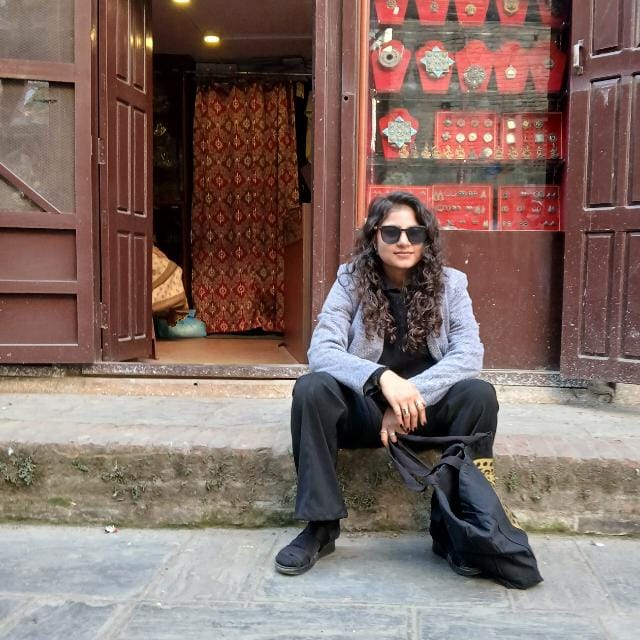
Alizeh Afzal (she/her)
Alizeh Afzal is a book artist whose practice centers experimental forms of bookbinding, paper-making, print-making, archiving and drawing. Alizeh’s work questions the notion of a traditional book, working with various unconventional forms of story telling, writing, print and photography. She creates small batch, limited edition publications that circulate within the community.
Alizeh graduated from Indus Valley School of Art and Architecture (IVSAA) with a Bachelor’s in Fine Arts (Media Arts) in 2023. Alizeh founded The Blue Orange Project, a collaborative, process-driven initiative that works with fellow artists and writers within Karachi in unstable socio-political climates and economies to create meaningful, socially engaged practices

Amit (they/them)
Amit Gautam is a Dalit, queer, anti-caste library activist from a village near Allahabad, Uttar Pradesh. They hold a postgraduate degree in Rural Development from Allahabad Central University. Driven by their experiences with caste and intersectional oppression, Amit has been dedicated to creating safe spaces for historically oppressed communities. Since 2019, they have advocating for gender equality, literacy, fair wages, and the right to read within their community.
In 2022, Amit inaugurated the Savitribai Phule Village Library & Resource Centre, a community-driven initiative entirely funded and built through the collective efforts of their village. This vital learning center provides a safe, fearless space where children can read, write, and think freely.
In June 2023, Amit founded Dalit Queer India, a platform advocating for the rights of non-English-speaking queer and trans Dalits, challenging homophobia, casteism, patriarchy, and elitism.
Amit is a former fellow at the Nirantar Trust, which focuses on education and gender issues, and currently an executive member of the Free Libraries Network (FLN), promoting the free library movement in India and South Asia.
Through their work, Amit seeks to dismantle caste and gender barriers by fostering education, self-expression, and agency for Dalit and queer individuals. They are passionate about storytelling, both listening to and sharing stories that connect deeply with lived experiences. Amit loves working with children and is currently writing a children’s story.
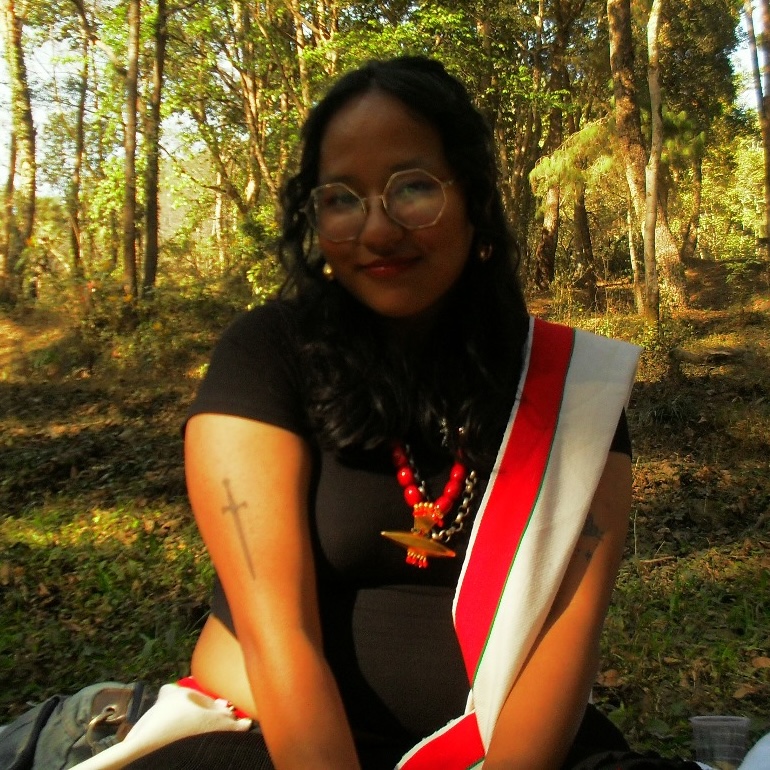
Anannya Shrestha (she/they)
Anannya Shrestha (she/they) is a writer and poet in Kathmandu with a strong passion for feminism, queer activism, and indigenous rights. She has used her writing and poetry as a way to navigate her queer identity alongside her Newar identity in order to become her full authentic self. She got her Bachelor’s in Social Sciences and wants to pursue her further studies and career in writing and journalism. Aside from writing, she is interested in crafting, making collages, journalling, and reading.
She has dreams of being a published author and wants to publish a novel and poetries books about queer love and community. She will continue writing and creating more and more to amplify the voices in queer indigenous communities.

Chandan Jyoti Konwar (he/him)
Chandan Jyoti Konwar (he/him), also known as MC CJK, is a poet, rapper, and researcher from Assam who blends artistic expression with critical inquiry. With a Master’s in Sociology and Social Anthropology from TISS Guwahati, his work often explores themes of identity, gender, queerness, and the body—both in lived experience and in public culture. His creative and academic practices intersect to amplify marginalised voices and question everyday norms.
Chandan is currently a Teach For India fellow, where he engages deeply with education justice while working closely with children and communities. His involvement in past projects like Queer Unschool South Asia, Zubaan’s feminist research collectives, and community sound archiving has shaped his approach to storytelling—as a method of care, resistance, and remembering.
Whether through spoken word, hip-hop, or fieldwork, Chandan seeks to hold space for difficult questions and shared imagination. His ongoing journey is rooted in Northeast India and expands through collaborative networks of thought and art.
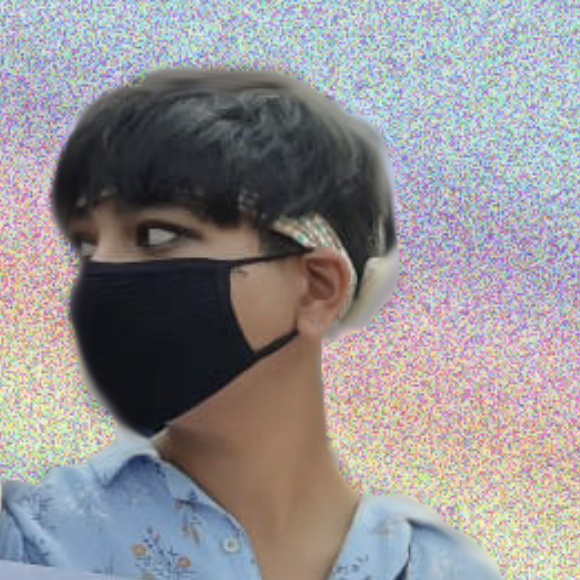
Jo (they/them)
Jo (pseudonym), has a Master’s Degree in Sociology, where they have worked previously on queerness and kitchen spaces, where they looked into how queer domestic intimacies were constructed in and around the site of the kitchen, tying into theories on affect and queer failure. Prior to this they have been a part of the Women and Gender Development Cell at their previous institution, and co-organised a panel on trans rights and citizenship. They have been published in QueerAbad’s 4th issue of their zine Tilt. They are drawn to the stickiness of everyday life, the ways in which queerness orients itself against certain ways of existing, that we may be queer not in identity but also in praxis, and the potential that working/writing on queerness offers us a way out of the rut of cisgender heterosexual dread.

Austin Powers (she/her)
Austin Powers (pseudonym) is a lawyer and an advocate for gender diverse communities with a passion for feminist organizing based in Bangladesh. She has practiced in areas of corporate, civil and criminal law for 8 years of her career. Austin has also been actively engaged in activism for the inclusion and acceptance of diverse gender and sexual identities into the society and protect and promote their human rights. Her work focuses on research, movement building, legal consultancy and support, capacity building, community shielding and creating brave spaces.
Austin is the co-founder and Executive Director of a Think Tank. She recently founded a legal aid organization focusing on women and marginalized communities. She is also functioning as a legal consultant in a rights based organization. She manages a modest agro business as well.
Austin aspires that the sogiesc community can equally coexist with other communities in harmony without any discrimination and injustice.
FACILITATORS
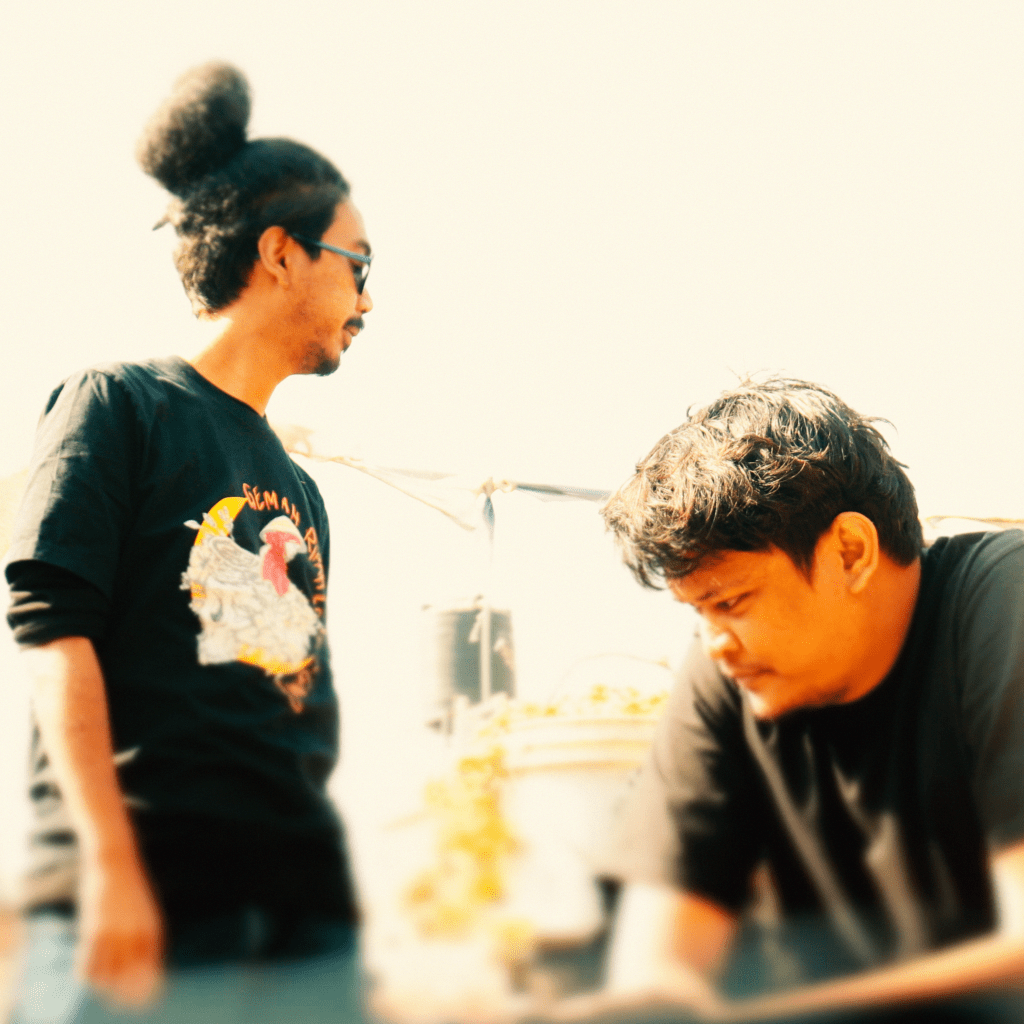
Gudskul
We are setting off from a contemporary art ecosystem developed from a not-for-profit work model. A large part of our operational support comes from our constitutive collective, which in turn were given by donor institution, sponsors and independent funding from our business unit, apart from the funds given from our member out of their own volition. When we decided to work together as an ecosystem, we tried to set a system of co-storehouse where every resource we have is collected and shared in proportion to every collective need. The various resources from every collective comes in many forms: money, program, equipment or even books. We pooled those assets for easier access and sharing for every member of the collective.
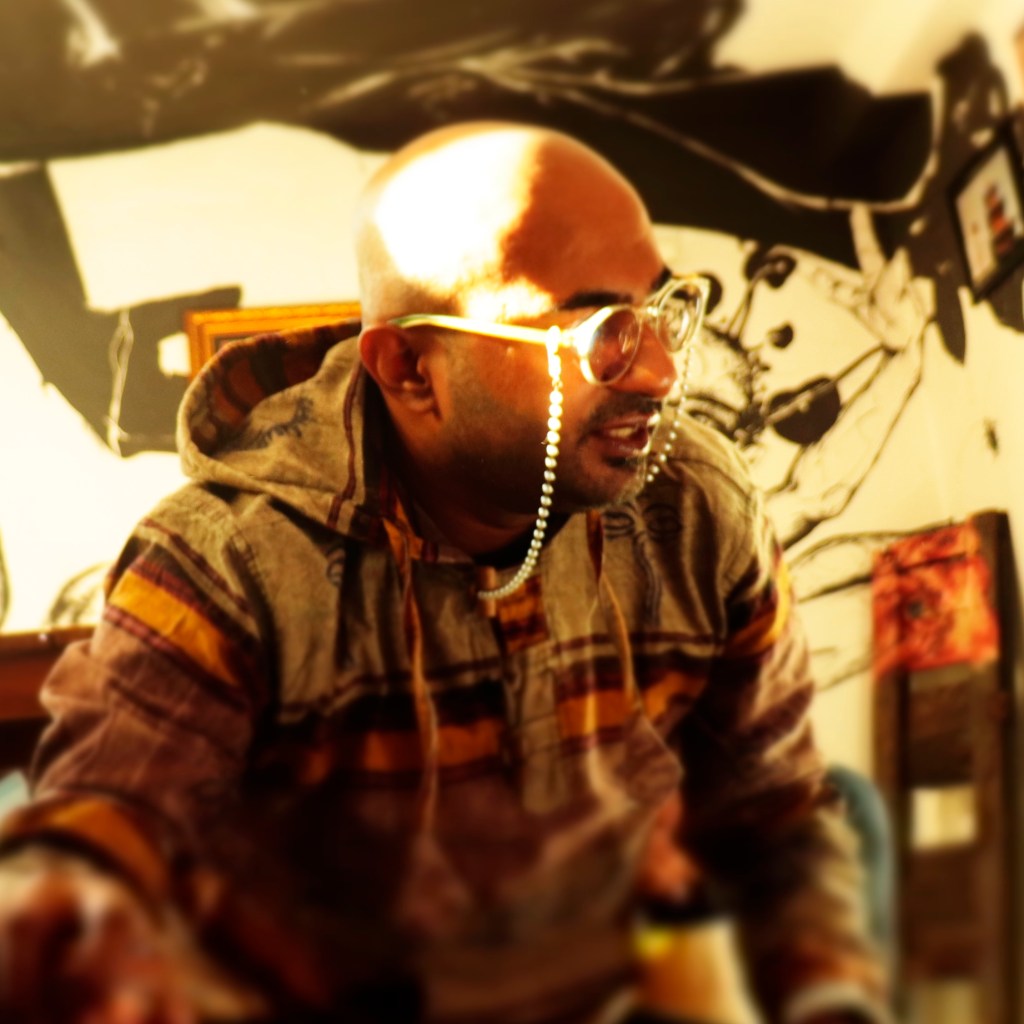
Oliur Sun
Oliur Sun is an academic, thinker and activist from Bangladesh. Currently a lecturer of English and Humanities at the University of Liberal Arts Bangladesh, he co-founded Bodhichitta and recently launched an independent think tank, named Onusshor, dedicated to advancing research on marginalization and political liberation. He often contributes to national dailies and occasionally writes for socio-politically conscious international media when he is not organizing/curating shows, talks and programs that activate spaces for free speech and challenge the status quo. His work explores decolonial trajectories, environmental/epistemological justice, intersectionalities, and queerness.
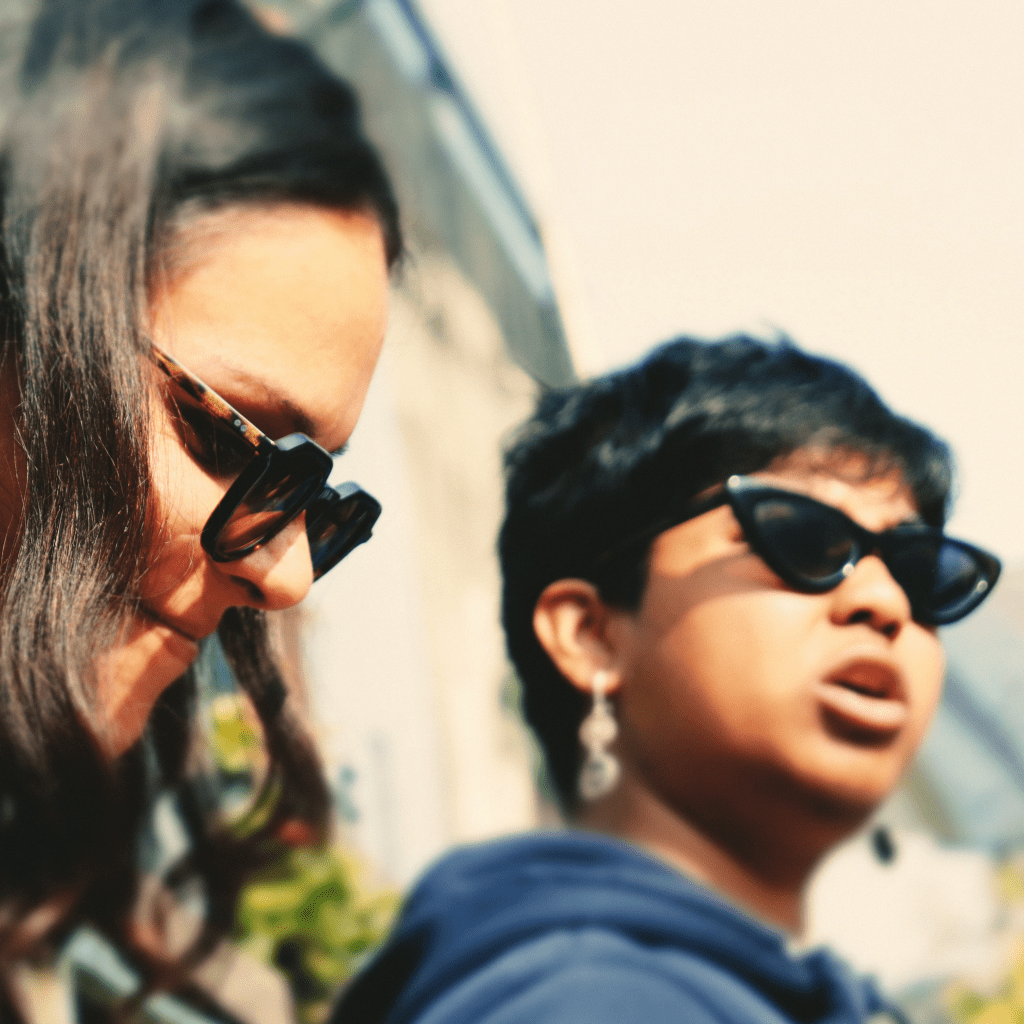
Spaceship Beben
Spaceship Beben is a collective of cosmonauts with expertise in various fields of feminist creative practice, such as art, curating, activism, writing, research, radio and music making, theater, performance, cooking, divination and political organizing. Together we harness our talents to question and interrupt mainstream ideas of space travel, space science and space research, using decolonial radical thinking and action. We use science fiction as a blueprint for the just futures we deserve as multiply marginalized FLINTAQ+ (Femme, Lesbian, Intersex, Nonbinary, Trans, Ace/Aro, Queer +), primarily using the creative formats of worldbuilding and soundmaking to manifest alternative timelines in our everyday lives.
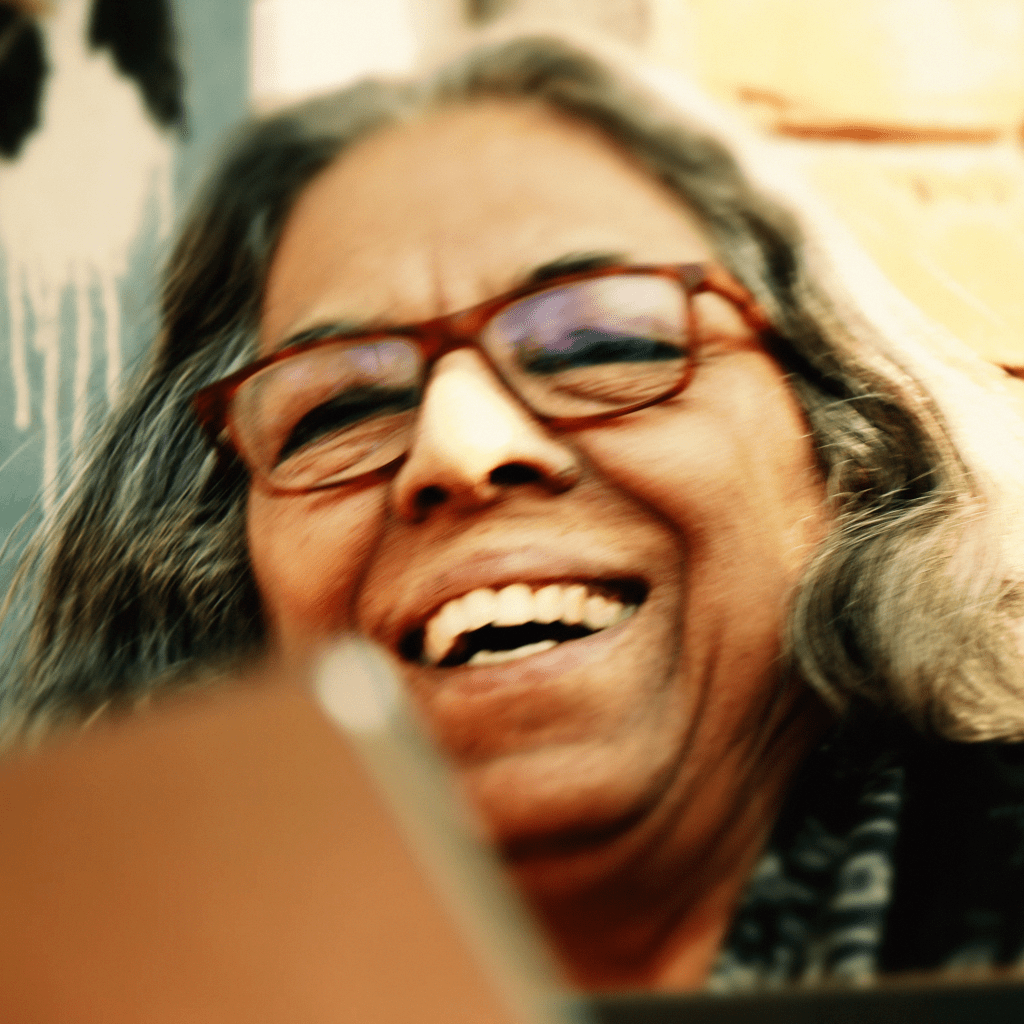
Urvashi Butalia
Urvashi Butalia is an independent writer and publisher. Co-founder of India’s first feminist publishing house, Kali for Women, she now runs Zubaan, set up after Kali shut down in 2003. Zubaan publishes works by and about women, queer, trans, non binary, dalit, adivasi and other marginalized identities and regions. Urvashi has a long involvement in the women’s movement in India and writes and publishes widely on issues related to women and gender. Among her best known publications is the award-winning history of Partition: The Other Side of Silence: Voices from the Partition of India.
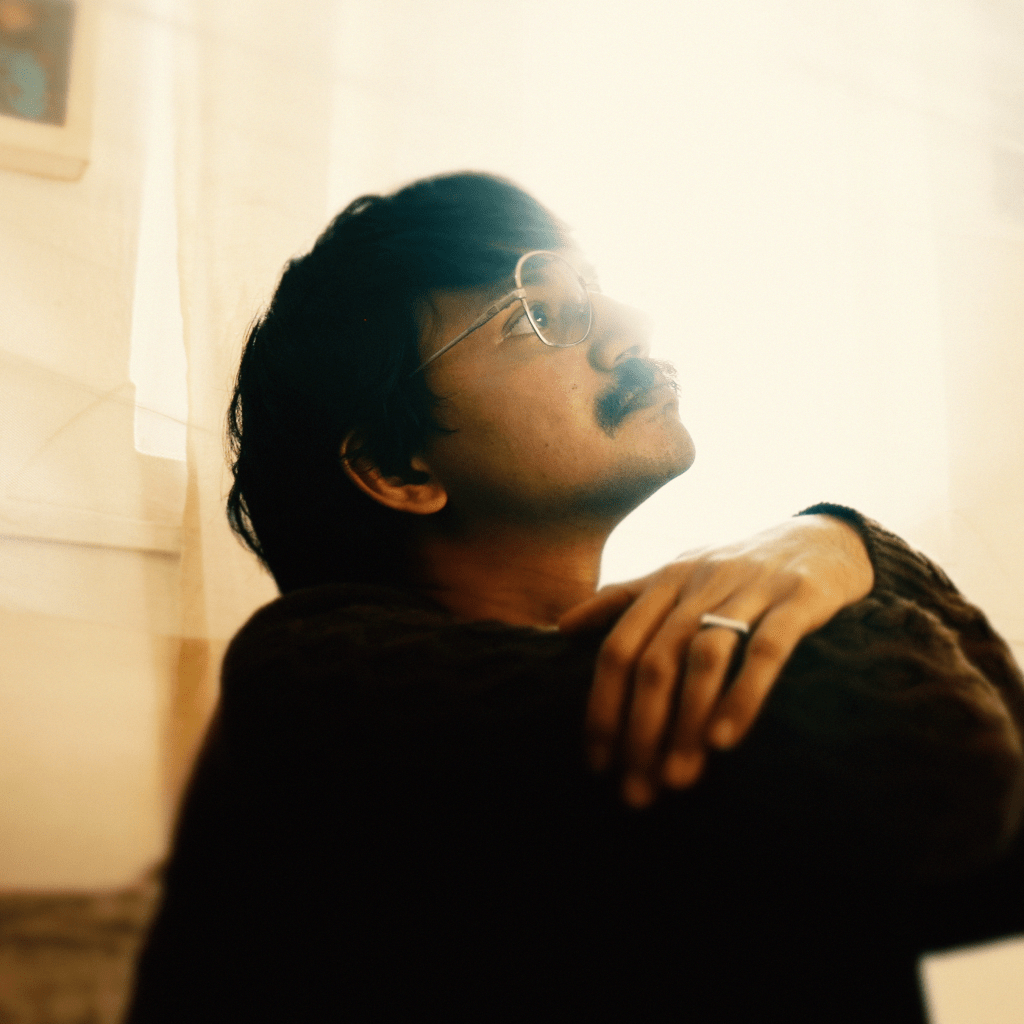
Imaad Majeed
Imaad Majeed is a multidisciplinary artist, curator and writer based in Colombo, Sri Lanka. They are Director and Curator of the trilingual performance platform “KACHA KACHA”. They are one part of the artist collective “The Packet” and VJ/DJ of “Packet Radio” (SUPR FM). They enjoy making playlists, DJing as “imaDJinn”, and writing about musicians from Sri Lanka for international music blogs. They are Project Coordinator and Co-Curator of Thattu Pattu, a platform for music from the fringes of Sri Lanka. Their poetry has been published in “Out of Sri Lanka: Tamil, Sinhala and English poetry from Sri Lanka and its diasporas”, “CITY: A Journal of South Asian Literature”, as well as the local small-press chapbooks “Lime Plain Tea” and “Annasi & Kadalagotu”. Their artwork, in various mediums, has been featured at NeMLA, Tamil Studies Symposium, Queer Tamil Collective, Eternal Internet Brotherhood/Sisterhood, Theertha Performance Platform, Colomboscope, Chobi Mela, Art Dubai, Queer Arts Festival, Serendipity Arts Festival, Museum of Modern and Contemporary Art Sri Lanka, BuchBasel, and Spielart Theatre Festival, among others. They are presently working on “KANNOORU”, exploring Sri Lankan Sufi/Muslim identity, community, memory, erasure, ancestry and mysticism through sample-based music, a project supported by a grant from Experimenter’s Generator Co-operative Art Production Fund.
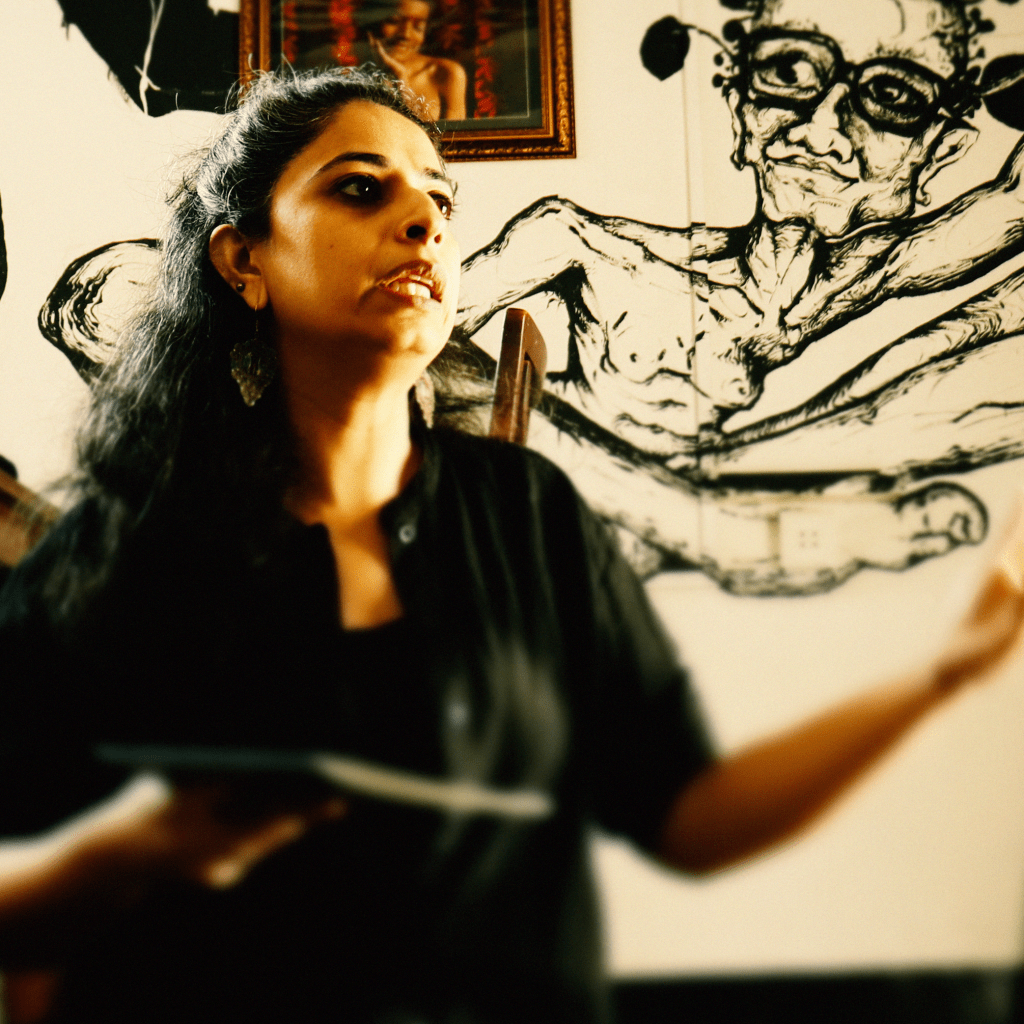
Anshika Varma
Anshika Varma’s practice engages with images, working with an interest in personal, collective and mythical histories. Combining her curiosity to study cultural and social evolution with storytelling, her work often looks at the emotional connection between an individual and their environment. With photography and book-making, she is interested in exploring the intricate relationship between memory and object as markers of one’s identity. The book becomes an important medium of work for the artist to align with her interest in the democratic dissemination of artistic expression and break notions of exclusivity in access and ownership of art. She is the founder of Offset Projects, an initiative working extensively on creating modes of access and creation within the photographic language with a focus on voices from South Asia and the Global South through activations from its public access library, workshops, residencies, artist talks, curated reading rooms and collaborative exercises in publishing. Anshika’s works and curations have been part of exhibitions, festivals and panel conversations at Fotomuseum Winterthur, Aarhus Museum, China Academy of Arts, Museum of Art and Photography, Photo Kathmandu, Chennai Photo Biennale and others. She has been invited to speak within educational institutions and festival programming on subjects of photography, publishing and the growth of the visual language in South Asia and continues to teach on these subjects at institutions such as YaleNUS (Singapore), Photography Studies College (Melbourne) and Ashoka University (India). Her writing has been part of publications such as Aperture Magazine, Photobooks& and the Alkazi Foundation. Her practice is defined through processes of collective participation and creation of work separate from institutional systems.
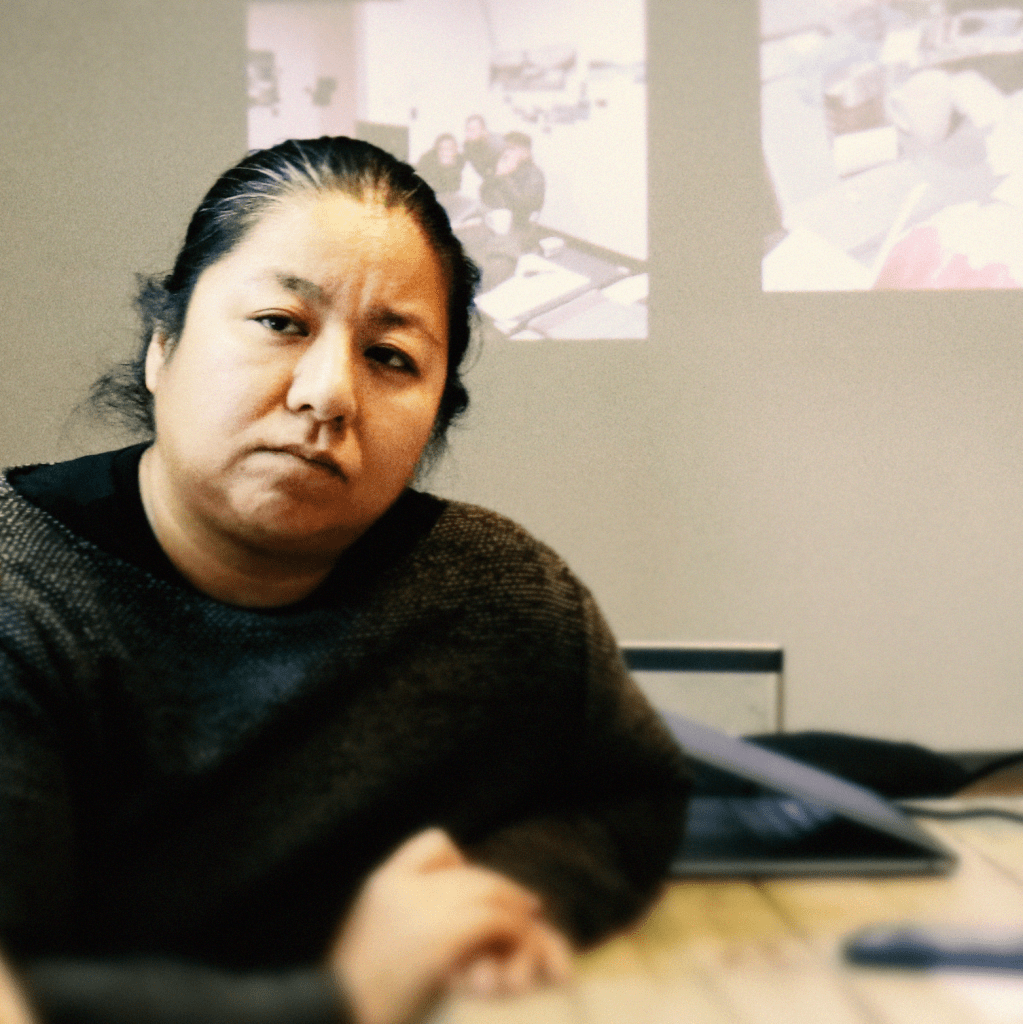
NayanTara
NayanTara Gurung Kakshapati lives and works in Kathmandu, Nepal. She is the co-founder and artistic director of photo.circle, Nepal Picture Library and PhotoKTM – platforms and initiatives that nourish image-making, history-telling, and dialogic engagements with diverse publics. As a cultural organizer and curator, NayanTara enjoys working collaboratively with photographers, filmmakers, researchers, writers, translators, educators, designers, organizers and other professionals from various fields, to develop multidisciplinary exhibitions, publications, commissions, workshops and other co-productions and cultural tools.
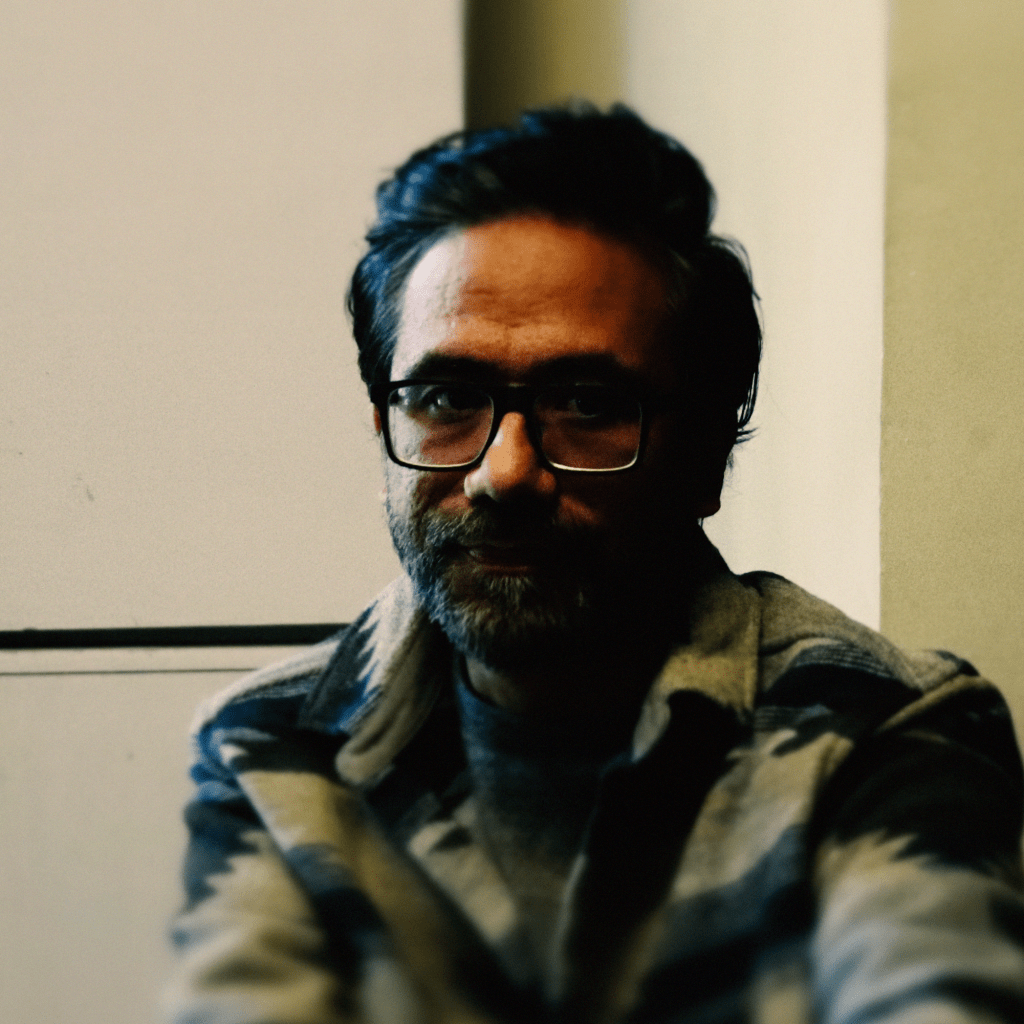
Diwas Raja Kc
Diwas Raja Kc is a researcher, writer, and curator based in Kathmandu. He pursued graduate studies in visual culture and history in Sarah Lawrence College, New York, and University of Michigan, Ann Arbor. At Nepal Picture Library, he works on building visual archives and presenting documentary images of historically obscured subjects. His curatorial show Dalit: A Quest for Dignity (2016) explored ways of witnessing assertions and obfuscations about Dalit past in Nepal. He also works as a documentary film editor and has worked with several renowned artists and visual anthropologists. Kc gives workshops on visual storytelling and has taught courses on social history and historiographical methods.
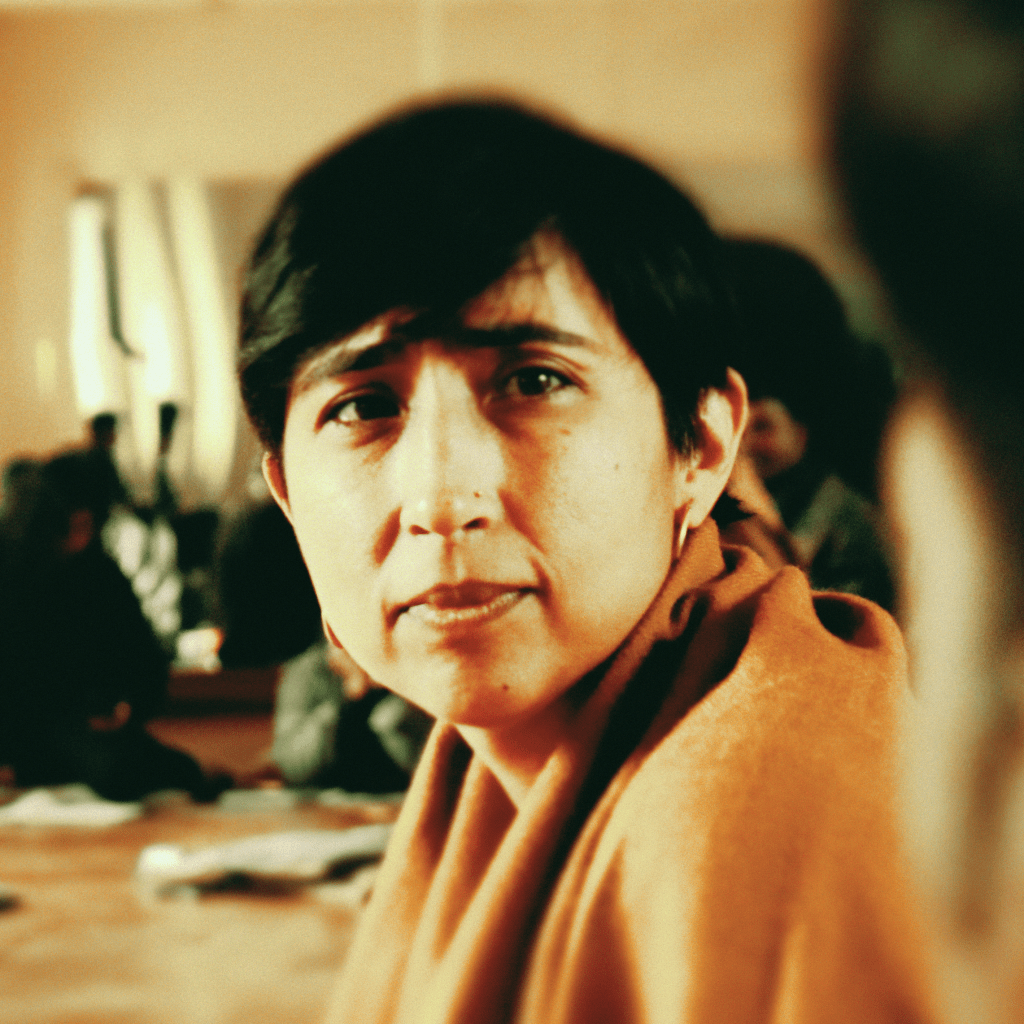
Sharareh Bajracharya
Sharareh Bajracharya is an art educator and currently the Director of Srijanalaya, an organization that works in arts education. She looks for systemic ways for the arts to foster the curiosities and joy of young children, young adults, and communities around them. She also teaches at Kathmandu University Department of Art and Design and the School of Education and has edited/produced children’s books. She has a background in the contemporary art field in Kathmandu, having been the past Director of the nonprofit art exhibition Kathmandu Triennale 2077.
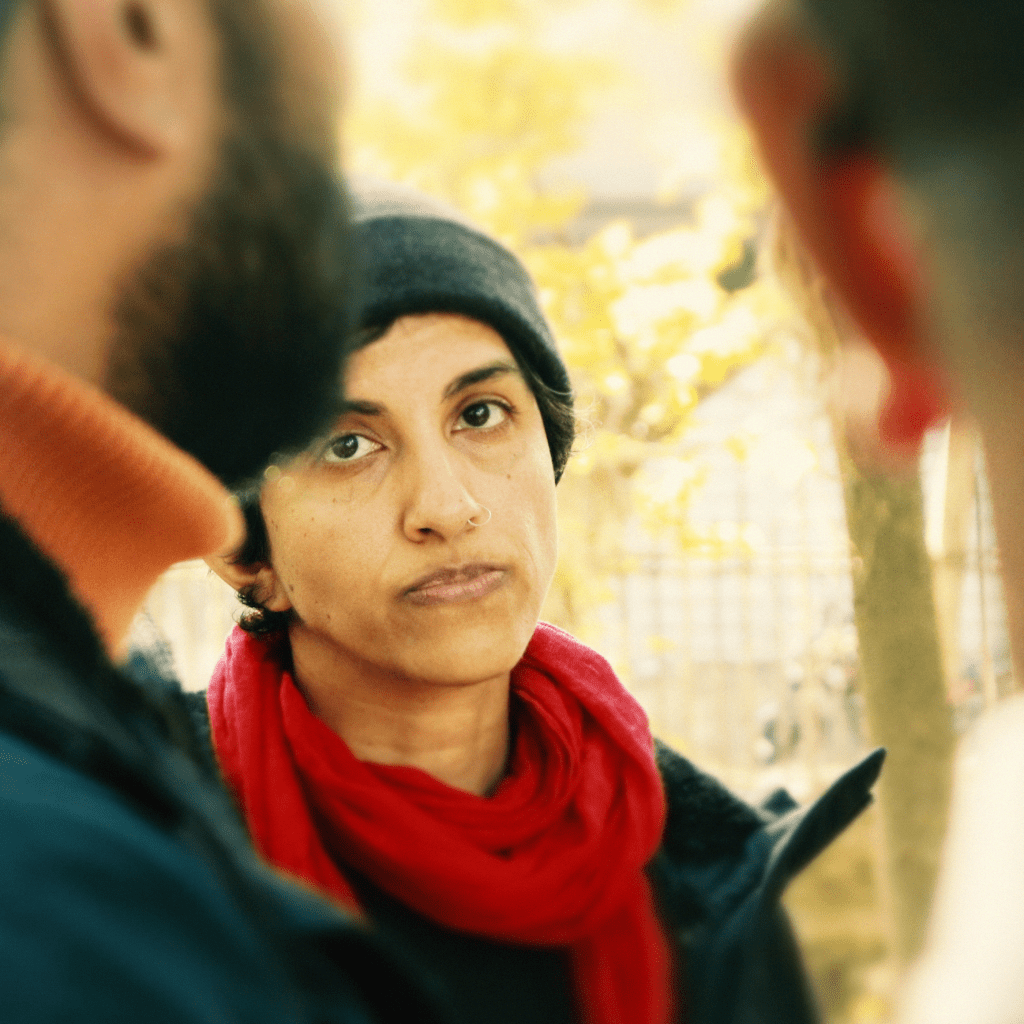
Sa’dia Rehman
Sa’dia Rehman (all pronouns) is a multidisciplinary artist and educator focusing on race, empire, and labor. Their work explores structures of the family, the nation, the border. Rehman questions how we live within these systems and how they impact who we are, the desire to rearrange, and take them apart. Rehman has exhibited work at the Wexner Center for the Arts, Queens Museum, Smack Mellon, Asian/Pacific/American Institute at NYU, and Pakistan National Council of the Arts. Rehman received the Aminah Brenda Lynn Robinson Fellowship and the Meredith Morabito and Henrietta Mantooth Fellowship. Rehman was awarded residencies at the ArtLab at Harvard University, Film/Video Studio at the Wexner Center for the Arts, Art Omi, Abrons Art Center, KODA, Asian American Arts Alliance, Edward Albee Foundation, Vermont Studio Center, and NARS Foundation. Their work was featured in Aperture, Bomb, The Brooklyn Rail, The New York Times, Harpers, The Center for Sustainable Practice in the Arts, Asian Diasporic Visual Cultures and the Americas, Colonize This! Young Women of Color On Today’s Feminism, Breakthru Radio and HyperAllergic.
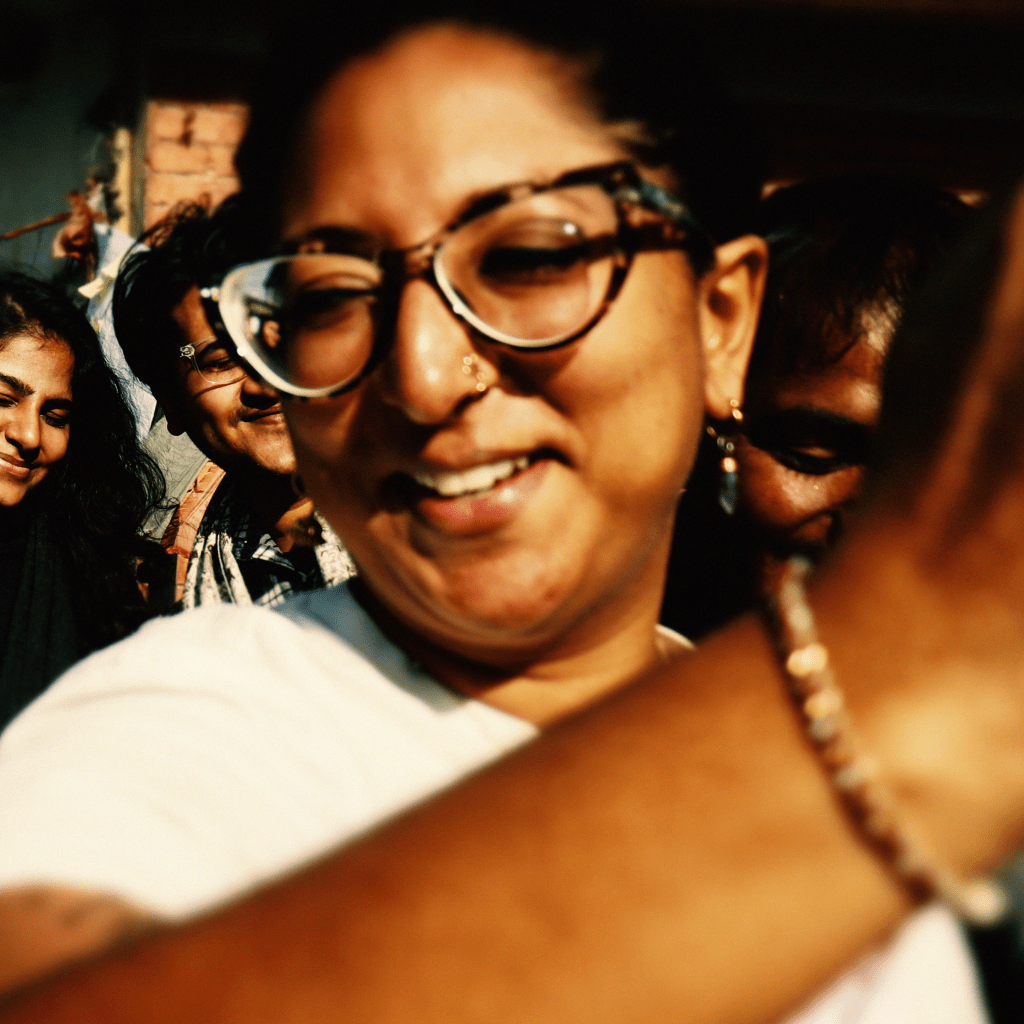
Maya Bhardwaj
Maya Bhardwaj (she/they) is a queer South-Indian-American scholar, organiser, activist, and artist + musician. Maya is currently based in Dhaka with their partner and is settling into life and activism post-uprisings, while learning Bangla! Maya is currently a PhD candidate in the Department of Sociology at the University of Pretoria, South Africa, where they lived in Joburg for three years writing on South Asian diasporic leftist activisms, queernesses, and solidarities with Black liberation struggles. Alongside this, Maya freelance writes on activism and culture work, and also works as a consultant for social movements on strategy, structure, narrative, and resource mobilization. They spent the past 10 years prior to academia working as a community organiser across Black and Brown, queer, and working-class communities in the USA, UK, Mexico, India and South Africa. Maya has played the violin for 30 years and loves to incorporate music into activism and collective visioning, and also loves to make visual and performance art with comrades and qtcuties.

Ujjwala Maharjan
Ujjwala Maharjan is a Kathmandu-based poet, performer and educator. She works at the intersection of creative expression, arts in education, community building, and social justice to create spaces for marginalized voices and build communities of care and learning. She is currently exploring poetry, music, and art performances in collaboration with artists, blending Nepali ethnic music into the soundscape of punk, hip hop, and musical monologues for herproject “Apwoh Misa”.
Dia Yonzon
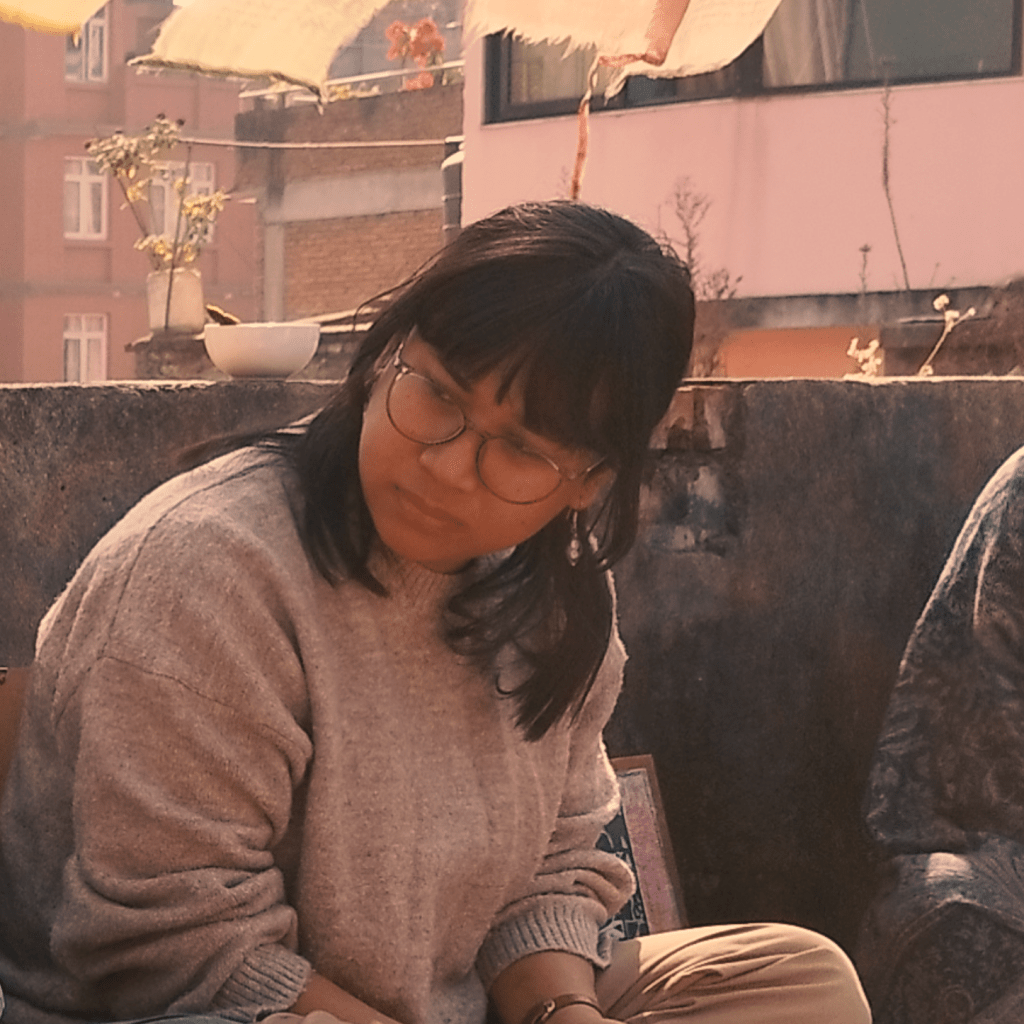
Dia Yonzon (she/her) is a writing fellow at The Open Institute for Social Science. She also runs The Melung Stories, a storytelling platform for queer and indigenous writers.

 QUEER UNSCHOOL SOUTH ASIA