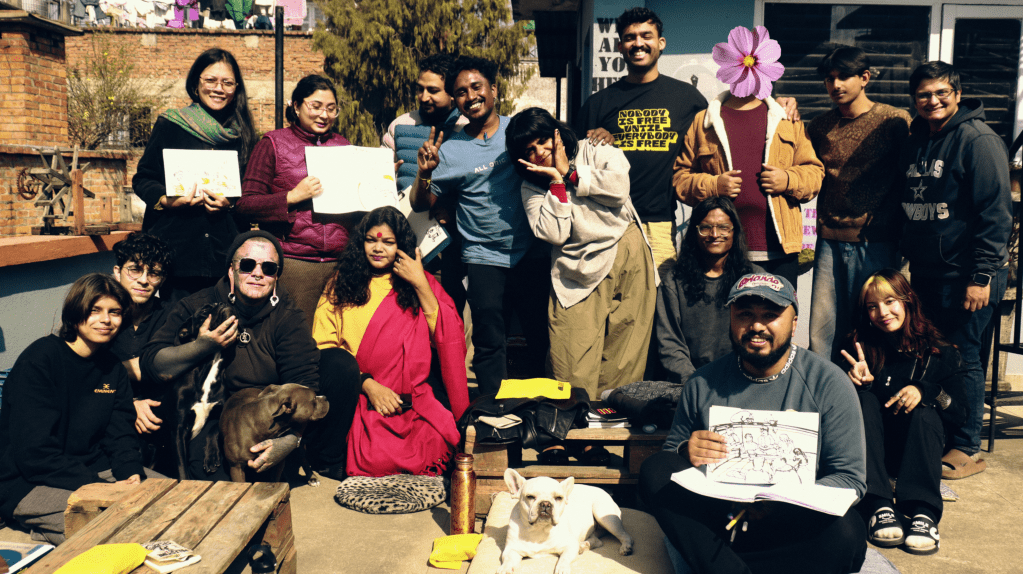
We started dreaming.
PARTICIPANTS
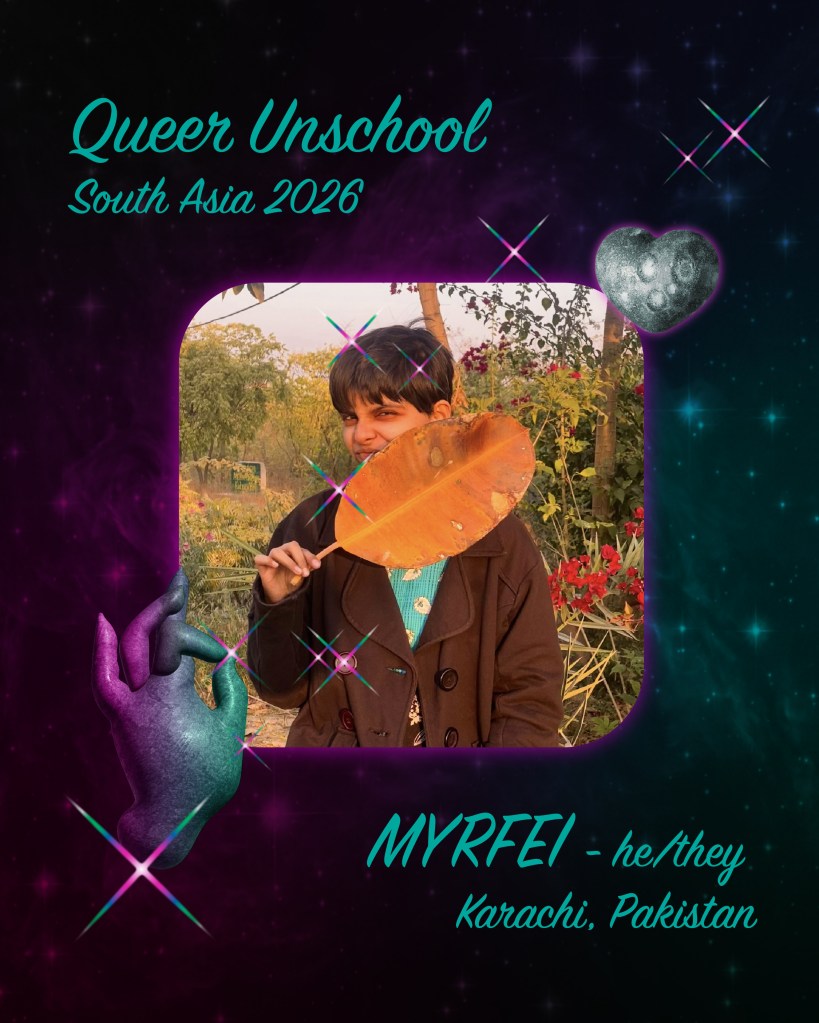
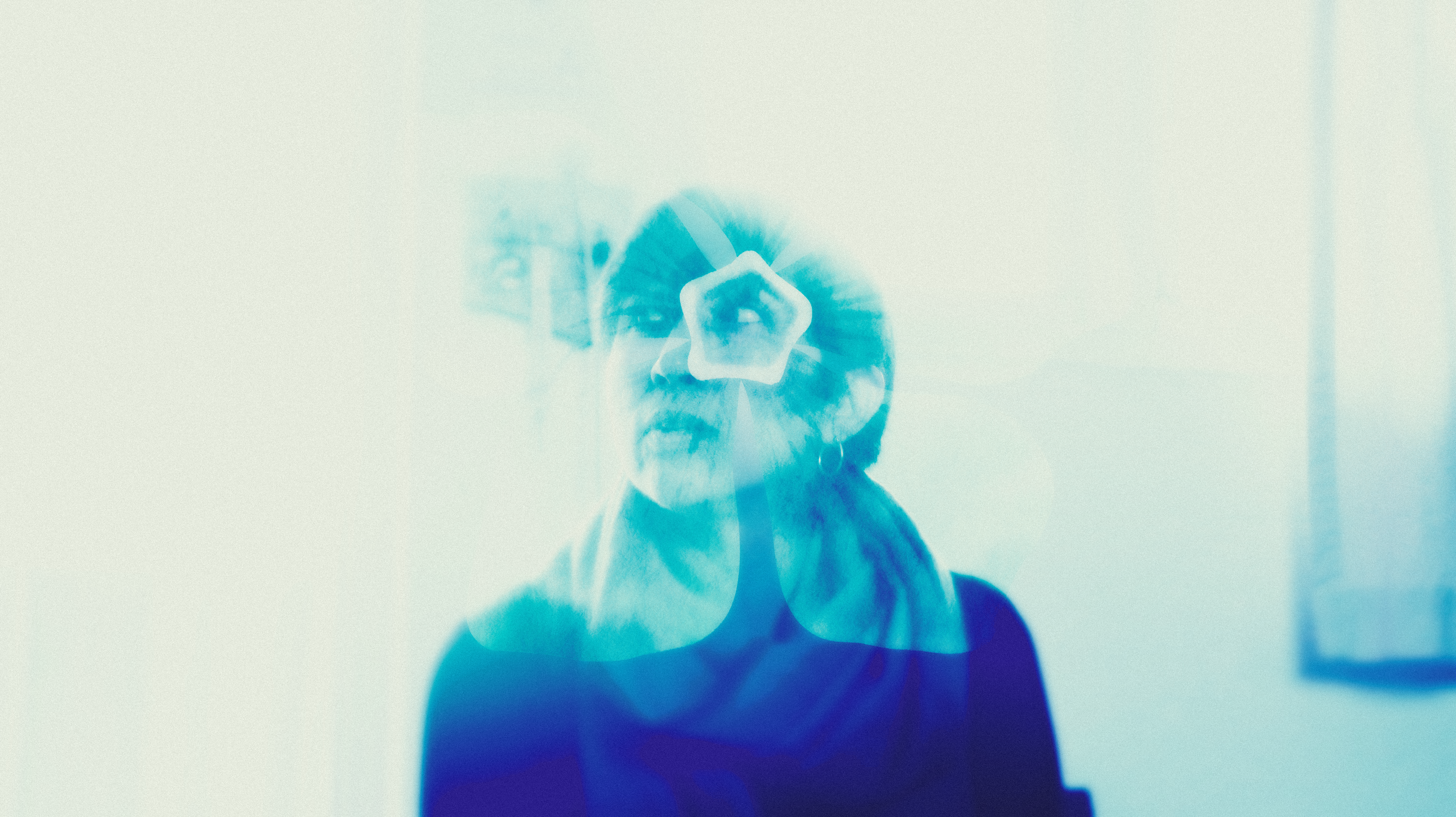
Myrfei (he/they)
Myrfei (he/they) is a multidisciplinary artist, curator and writer, with their practice rooted first and foremost in loving, caring, and dreaming. His works explore the interconnectedness of the personal and the communal, as well as joy and grief, and delve into conversations around/about the fluidity of form and perception, the queerness and horrors of body, and the significance of whimsy. They also work largely with semiotics and archiving; and experimental/alternative processes, that center play and curiosity.
They are the co-founding art editor for Lihaaf Zine, a zine/archive created to honor the Desi lesbian tradition and resist sapphic erasure. His work has been published, or is forthcoming, in/at Writing Women, Kitab Ghar, Queer Unschool South Asia, Usawa Literary Review, FORGE, Misery Meals, The Blue Orange Zine, and elsewhere. Their work has been taken up for group exhibitions at Cinema 73, Karachi (2025) and Far Studios – Hechyeomoyeo 13, Chiang Mai (2026).
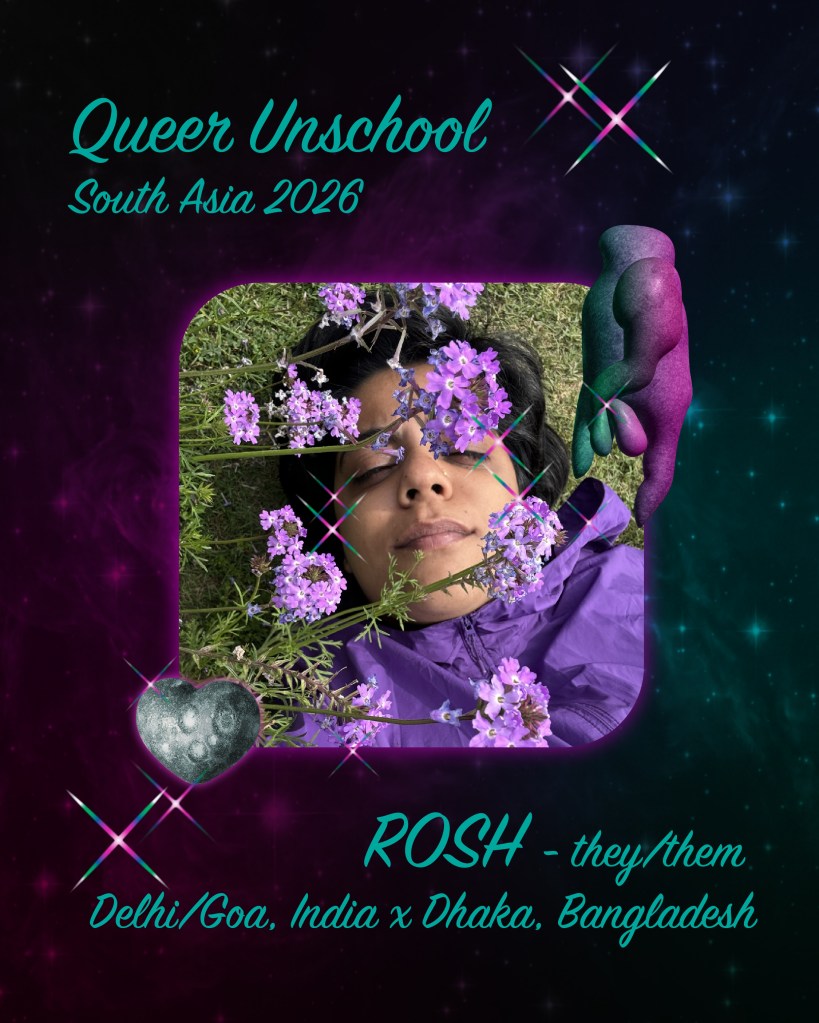
Rosh (they/them)
Rosh is a cultural worker and feminist facilitator whose work sits at the intersection of crip-queer politics, culinary histories and collective knowledge production. Their practice has been shaped outside of formal artistic spaces in feminist addas, community kitchens and body based practices. They work with stories, recipes and infrastructures of care as cultural material. They are interested in knowledges that emerge when bodies cannot pause. They currently co-lead a collective experiment called ‘recipes for rest’ that co-curate tools for sustaining movements, building memory and reimagining organising by centering rest and radical refusal.
They thrive on chai, horizontal surfaces and slow spaciousness.
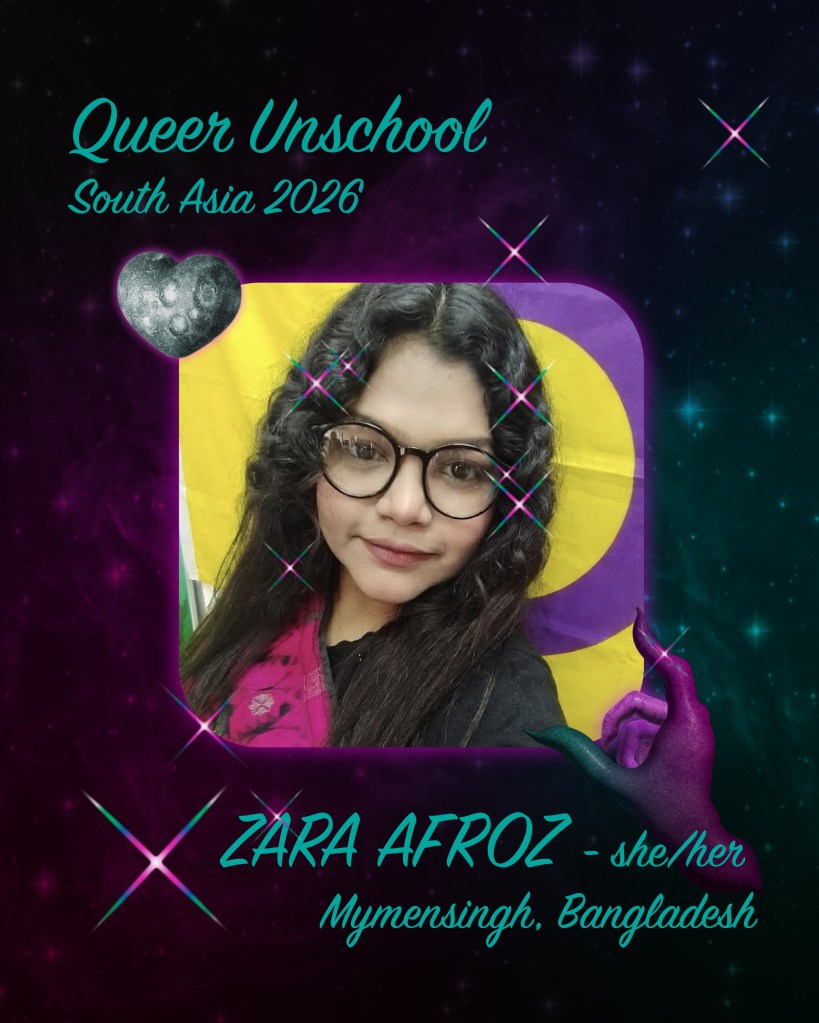
Zara (she/her)
Zara is an intersex activist and dancer based in Mymensingh who graduated with a degree in Social Work, after overcoming various social adversities.
She is working towards building an intersex network and stopping unnecessary surgeries on intersex children in Bangladesh, as well as advocating for the rights and state recognition of intersex people. In 2025, Zara participated in the 4th Asian Intersex Forum organized by Intersex Asia. She has also acted in a 5-minute short film called Janmechhi Ei Dehe on the lives of intersex people and made a documentary ‘Na Manusher Katha’ based on the stories and struggles of intersex people. She has received numerous invitations to speak in recognition of her contribution to protecting the human rights of gender-diverse communities.
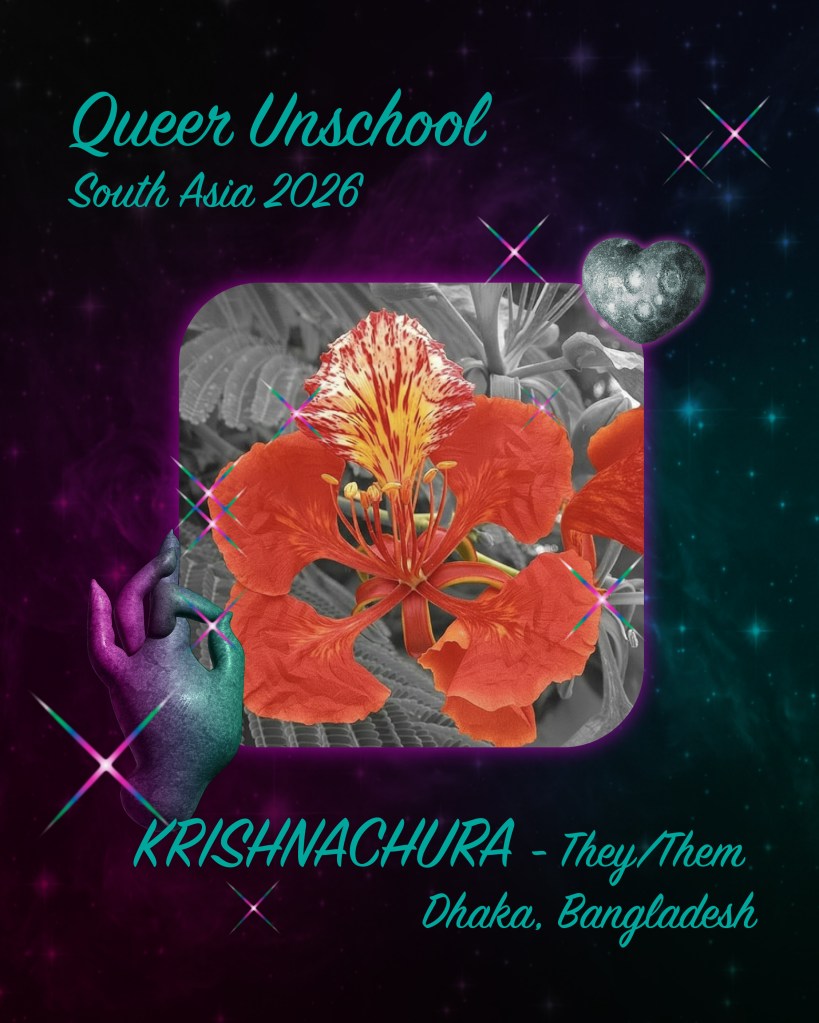
KrishnaChura (they/them)
KrishnaChura is a writer and researcher. They completed their graduation in Arabic literature from Dhaka University. Since then, they have been deeply interested in Muslim queer history and literature across the world, with a particular focus on South Asia. They actively work to build a queer history archive. In particular, they are one of the founding members of Mondro, a queer literature archive of Bangladesh, which has collected formally published, informally published, and unpublished queer voices and made them accessible online.
KrishnaChura translates Arabic queer poetry into Bengali and writes fiction rooted in historical narratives. Committed to expanding knowledge on queer Muslim history in South Asia, they facilitate seminars and workshops to disseminate their studies, working with several community-based organizations in their context.

Wree (she/her)
Wree is an anti-disciplinary artist, storyteller, and publisher. She curates, edits, and publishes ‘In Queer Love’, a little magazine featuring stories, poetry, essays, and art from queer youth, prioritizing writers who have traditionally been denied access to publishing. Wree has also edited and published ‘Reaching for Dreams in the Dark’ a research based book by Sintu Bagui and Ayesha on what empowerment looks like to grassroots transgender people of West Bengal, India. Wree draws and publishes ‘Ramani Gatha’, a comic based on stories from lives of sex workers. Wree is managing the implementation of ‘Programming for People’, a public education initiative for aiming to lower the barrier of entry to programming for marginalised Bengali working class population, including co-designing and translating course content and training material and producing and publishing content in video and text.
Wree also runs public workshops on comic making, storytelling, theatre, and photography. Wree self-hosts ‘daxayoni.blog’, an invite based anonymous decentralised blog, with around 50 authors and 180 articles, that aims to provide a simple and distraction free playground for writers to practice and archive their works for free, without ads or tracking. Wree also self-hosts and manages a digital library with around thirty active users and over one hundred books.
Wree identifies as Kothi. Hailing from a village in coastal Midnapore, and of farmer background, she has been living in Kolkata for the past five years for work.
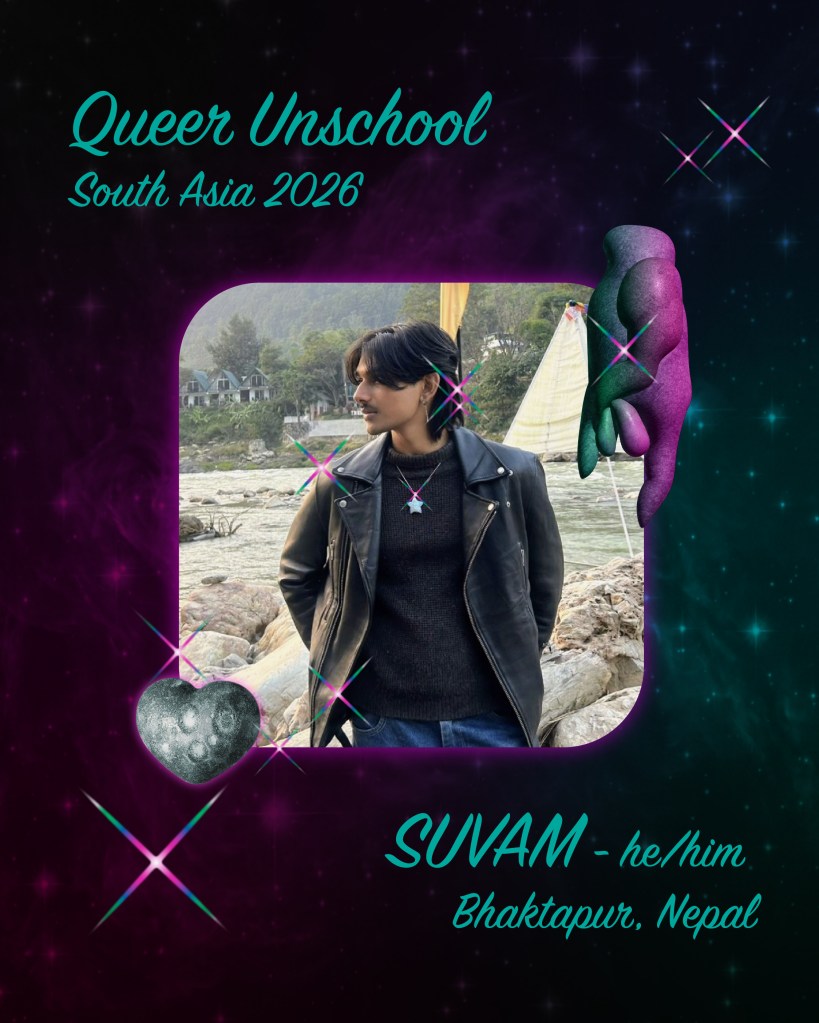
Suvam (he/him)
Suvam writes. In his writings, he questions, rages, wails, dreams, and loves, he hopes to embody the struggles and the strength of oppressed communities (his own and those that inspire him), and the force of masses lunging forward. His poems were published in a chapbook by The Melung Stories in 2025.
Suvam studies technology, with the intention to build human-centered tools with tangible, real-world impact, shaped by the needs and struggles of the people around him.
Currently residing in the Kathmandu Valley, Suvam grew up in the Madhesh and was shaped by the Madhesh Andolan, a nearly decade long movement for Madhesh rights in Terai region of Nepal. The struggles of his Maithili/Madheshi community guide his political compass, drive his faith in mass struggle, and fuel his commitment to collective action and solidarity.
Suvam is a founding member of an arts collective Godna and runs GodnaMedia, using art alongside media to analyze and critique politics, economy as well as culture, raise awareness, and organize people, in pursuit of a world shaped by collective liberation.
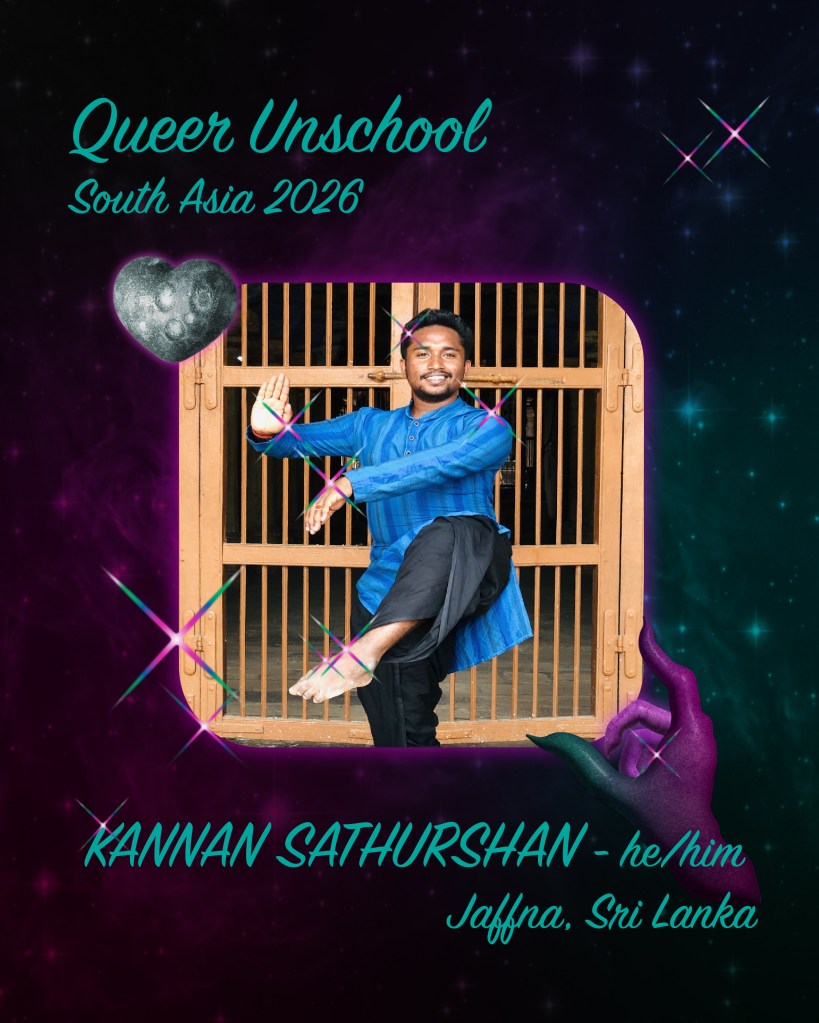
Kannan Sathurshan (he/him)
Kannan Sathurshan is a Bharatnatyam dancer, arts practitioner, writer, and community organizer based in Jaffna. He has practiced Bharatanatyam for over twenty years and recently graduated with a specialization in Bharatanatyam from the University of Jaffna. His work operates at the intersection of culture, social justice, and queer advocacy, using performance and artistic practice as tools for visibility, dialogue, and healing.
Sathurshan has organized festivals, exhibitions, performances, and advocacy platforms that center marginalized voices, particularly within queer communities in northern Sri Lanka. As a writer and researcher, he develops critical and creative work on identity, aesthetics, and resistance in South Asian queer contexts. Alongside his artistic practice, he contributes to humanitarian and development programs, linking grassroots engagement with structured organizational processes. Through this multidisciplinary approach, he works to challenge dominant narratives and cultivate inclusive cultural spaces locally and regionally.
FACILITATORS
Gudskul
We are setting off from a contemporary art ecosystem developed from a not-for-profit work model. A large part of our operational support comes from our constitutive collective, which in turn were given by donor institution, sponsors and independent funding from our business unit, apart from the funds given from our member out of their own volition. When we decided to work together as an ecosystem, we tried to set a system of co-storehouse where every resource we have is collected and shared in proportion to every collective need. The various resources from every collective comes in many forms: money, program, equipment or even books. We pooled those assets for easier access and sharing for every member of the collective.
Spaceship Beben
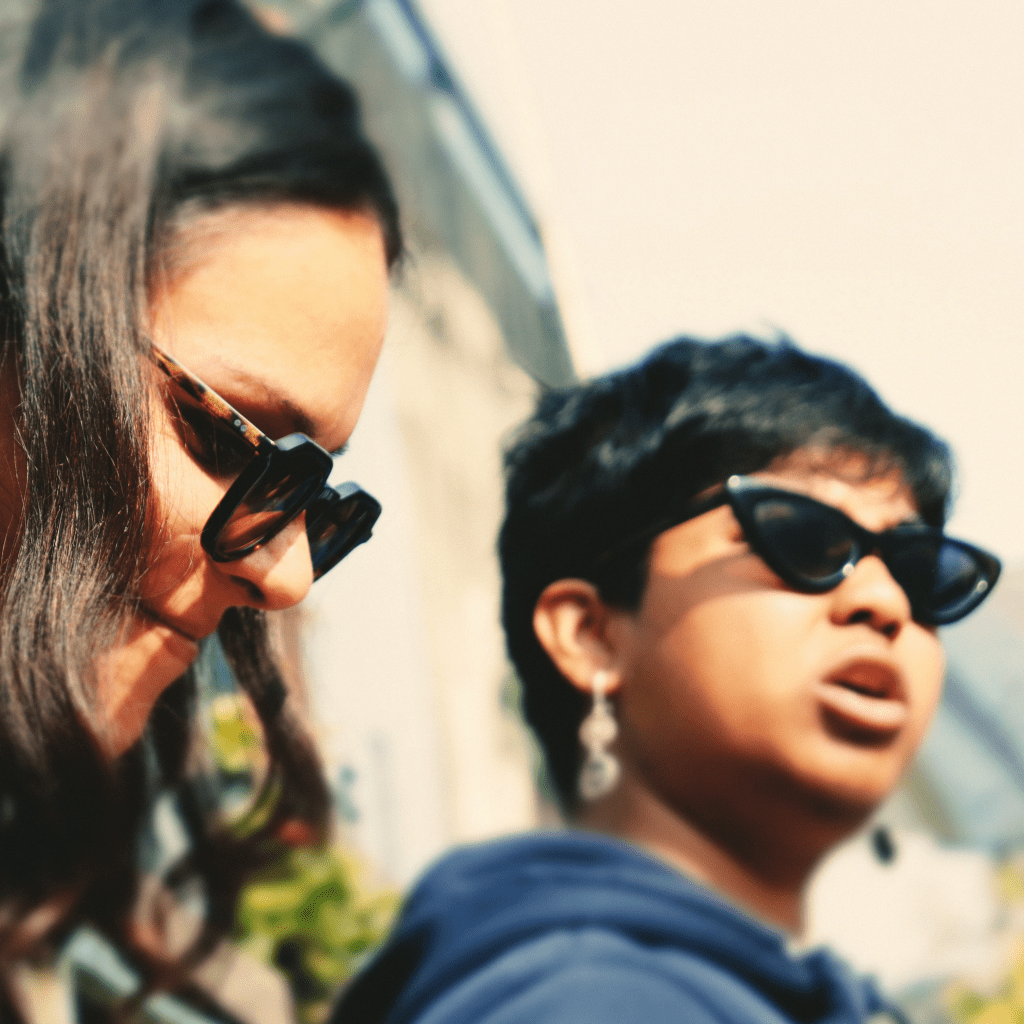
Spaceship Beben is a collective of cosmonauts with expertise in various fields of feminist creative practice, such as art, curating, activism, writing, research, radio and music making, theater, performance, cooking, divination and political organizing. Together we harness our talents to question and interrupt mainstream ideas of space travel, space science and space research, using decolonial radical thinking and action. We use science fiction as a blueprint for the just futures we deserve as multiply marginalized FLINTAQ+ (Femme, Lesbian, Intersex, Nonbinary, Trans, Ace/Aro, Queer +), primarily using the creative formats of worldbuilding and soundmaking to manifest alternative timelines in our everyday lives.
Anshika Varma
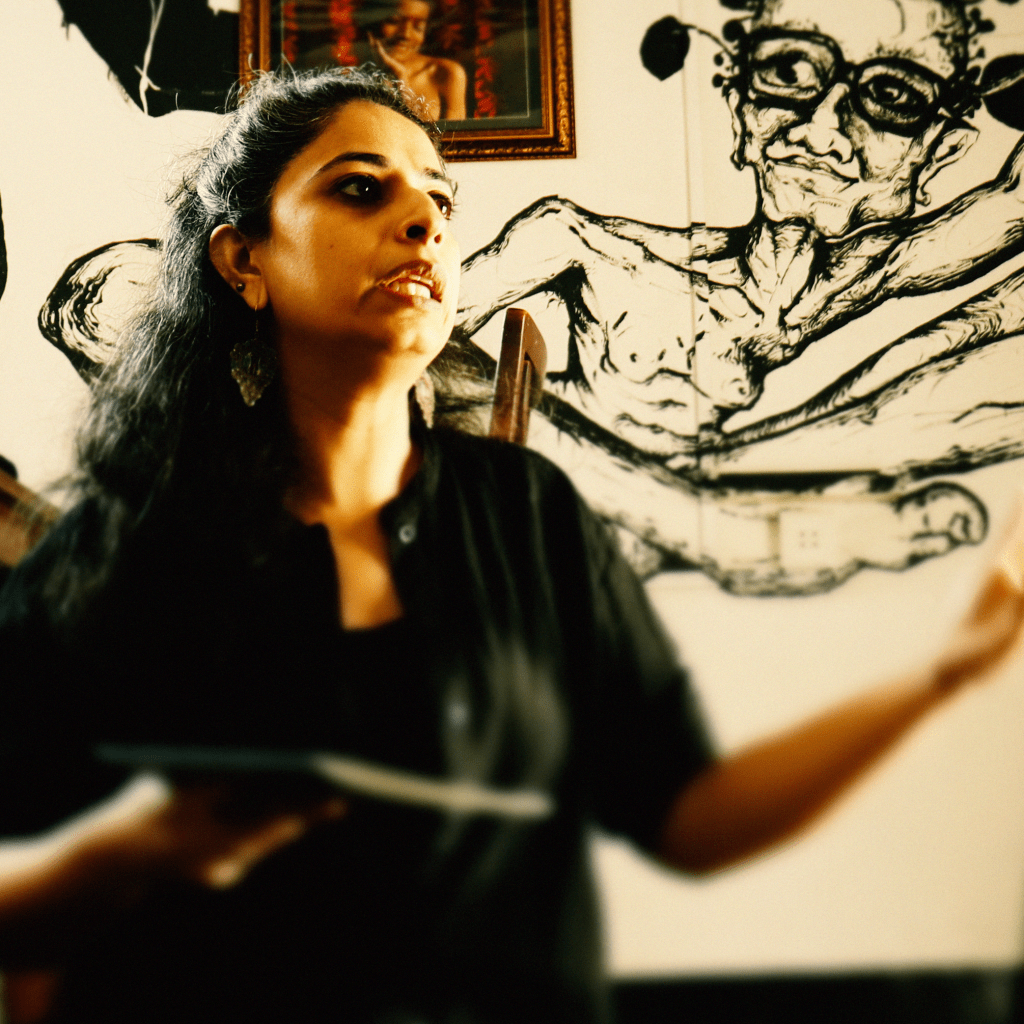
Anshika Varma’s practice engages with images, working with an interest in personal, collective and mythical histories. Combining her curiosity to study cultural and social evolution with storytelling, her work often looks at the emotional connection between an individual and their environment. With photography and book-making, she is interested in exploring the intricate relationship between memory and object as markers of one’s identity. The book becomes an important medium of work for the artist to align with her interest in the democratic dissemination of artistic expression and break notions of exclusivity in access and ownership of art. She is the founder of Offset Projects, an initiative working extensively on creating modes of access and creation within the photographic language with a focus on voices from South Asia and the Global South through activations from its public access library, workshops, residencies, artist talks, curated reading rooms and collaborative exercises in publishing. Anshika’s works and curations have been part of exhibitions, festivals and panel conversations at Fotomuseum Winterthur, Aarhus Museum, China Academy of Arts, Museum of Art and Photography, Photo Kathmandu, Chennai Photo Biennale and others. She has been invited to speak within educational institutions and festival programming on subjects of photography, publishing and the growth of the visual language in South Asia and continues to teach on these subjects at institutions such as YaleNUS (Singapore), Photography Studies College (Melbourne) and Ashoka University (India). Her writing has been part of publications such as Aperture Magazine, Photobooks& and the Alkazi Foundation. Her practice is defined through processes of collective participation and creation of work separate from institutional systems.
Sharareh Bajracharya
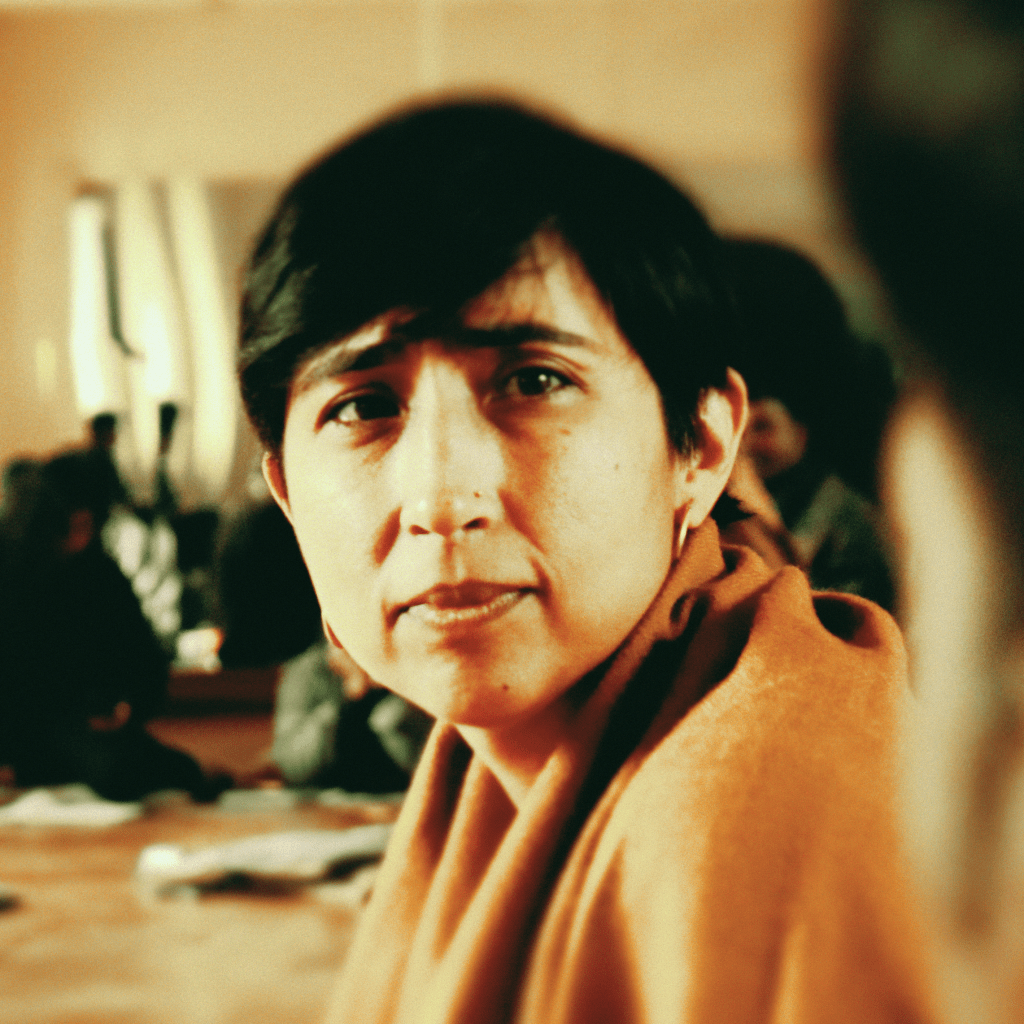
Sharareh Bajracharya is an art educator and currently the Director of Srijanalaya, an organization that works in arts education. She looks for systemic ways for the arts to foster the curiosities and joy of young children, young adults, and communities around them. She also teaches at Kathmandu University Department of Art and Design and the School of Education and has edited/produced children’s books. She has a background in the contemporary art field in Kathmandu, having been the past Director of the nonprofit art exhibition Kathmandu Triennale 2077.

 QUEER UNSCHOOL SOUTH ASIA